What Are the Benefits of Therapy for Veterans?
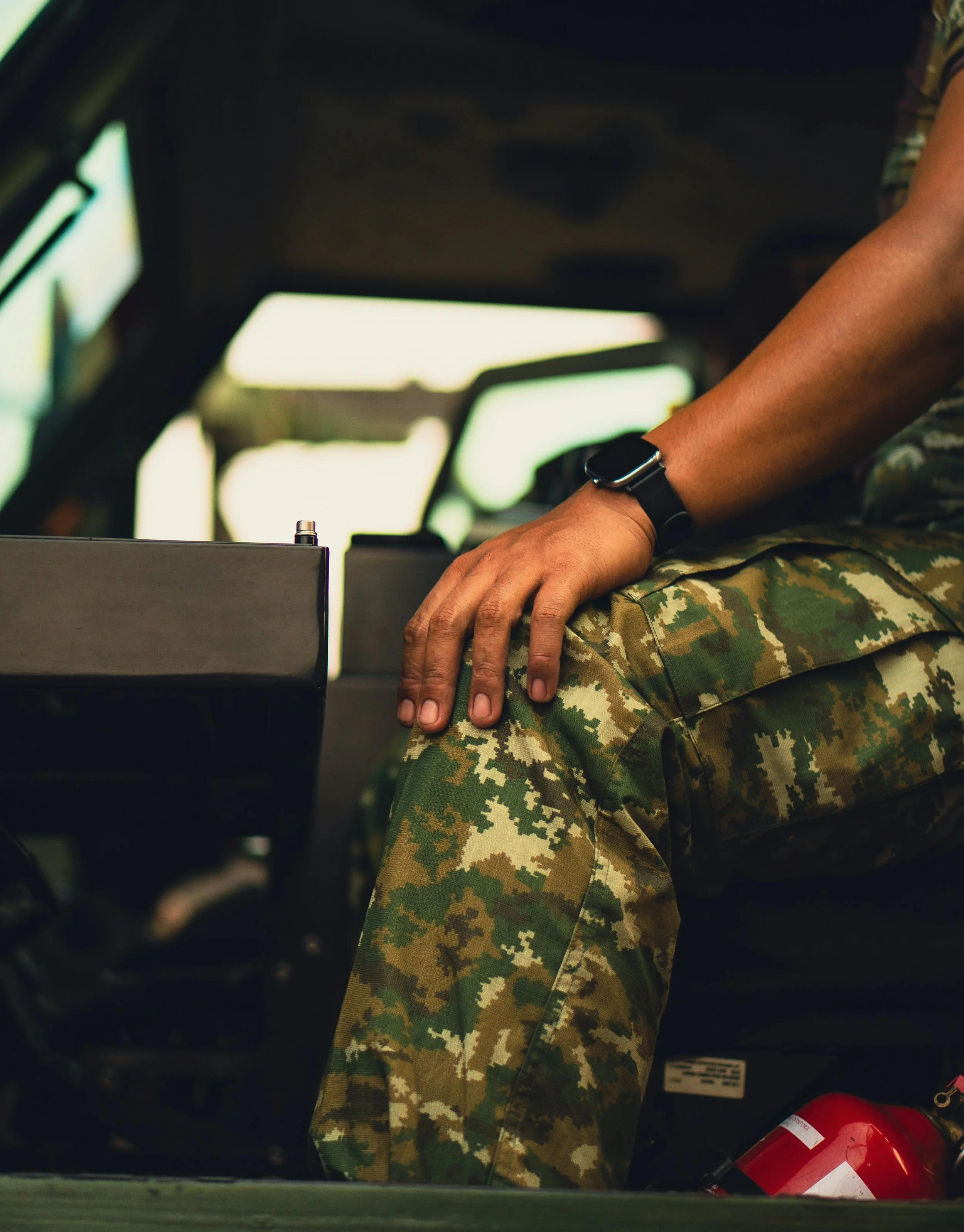
You spent years running toward the mission. Now the mission is different — and nobody handed you a field manual for it.
The transition from military service to civilian life or simply the weight of carrying what service leaves behind is one of the most demanding challenges a person can face. It doesn’t look like weakness. It looks like a mind that won’t shut off. A body that’s still scanning for threats in a grocery store. A short fuse you can’t explain to the people you love most.
Therapy isn’t about being “fixed.” It’s about recalibrating the system that kept you alive so it can serve your life now, not just your survival then.
Here’s what the research, and the work inside the therapy room, actually shows about the benefits of therapy for veterans.
Why Veterans Often Resist Seeking Help
Let’s name it directly. The culture of military service the warrior ethos, the reliance on unit cohesion, the contempt for appearing weak can make reaching out feel like a failure of character. It isn’t.
The same traits that made you an exceptional service member (self-reliance, stoicism, mission focus) can become barriers to recovery when the mission changes. Carrying the full weight of unprocessed trauma, hypervigilance, or moral injury without support isn’t strength. It’s attrition.
Therapy is preventive maintenance. Not a sign you broke down a sign you’re serious about performing at your best in every area of your life: as a spouse, a parent, a professional, and a person.
The Core Benefits of Therapy for Veterans
1. Treating PTS and Combat Stress at the Source
Post-traumatic stress isn’t a character flaw it’s a physiological response to extreme threat. Evidence-based therapies like Cognitive Processing Therapy (CPT) are specifically designed to address it. CPT helps identify “stuck points”, distorted beliefs formed in the wake of trauma and systematically challenges them, giving you back your sense of safety, agency, and self-worth. This isn’t venting. It’s targeted intervention with measurable outcomes.
2. Regulating the Nervous System That Won’t Stand Down
In high-threat environments, your sympathetic nervous system the gas pedal runs floored. Adrenaline and cortisol flood the body. Over time, the brakes become less responsive. The result: hypervigilance, exaggerated startle responses, sleep disruption, and a short fuse you didn’t have before deployment. Therapy uses nervous system psychoeducation and body-based approaches to physically recalibrate your alarm system moving you from survival mode back into living mode.
3. Healing Moral Injury
Not all wounds come from incoming fire. Moral injury the deep sense of guilt, betrayal, or spiritual disruption that occurs when core values are violated is one of the most underaddressed experiences in veteran mental health. Whether it stems from your own actions, the actions of others, or failed leadership, it requires a different approach than standard trauma treatment. Internal Family Systems (IFS) therapy is particularly effective here, working with the parts of you that carry shame, anger, or grief without forcing you through traditional exposure-based methods.
4. Rebuilding Identity After the Uniform Comes Off
Rank, unit, mission these aren’t just job titles. They’re identity structures. When you separate from service, the loss of that framework can be disorienting in ways that are hard to articulate to people who haven’t lived it. Who are you when you’re no longer defined by your rank or specialty? Therapy creates space to grieve that loss honestly and to build a civilian identity that doesn’t require erasing what came before it.
5. Improving Relationships and Reconnection
Hypervigilance, emotional numbing, and irritability don’t stay in your head they show up at the dinner table, in your bedroom, and in every conversation with the people you care about most. Therapy helps you understand why you respond the way you do, and gives you concrete tools to change those patterns. The result is less distance, fewer explosions, and more capacity for presence with the people who’ve been waiting for you to come back even after you came home.
6. Managing TBI-Related Challenges
Traumatic brain injury affects executive function, emotional regulation, and sleep in ways that can be frustrating to navigate without support. Therapy paired with psychoeducation helps veterans understand what’s happening neurologically and develop practical strategies for managing irritability, memory challenges, and mood instability associated with TBI.
7. Breaking the Isolation Cycle
One of the most common experiences veterans report is the feeling that no one around them could possibly understand. That gap between what you’ve seen and what civilians have context for can quietly become social isolation. A therapist who is culturally competent in military culture means you don’t spend the first six sessions explaining acronyms or deployment cycles. You start working on Day 1.
8. Privacy and Control Over Your Own Record
Private therapy outside the VA means you maintain full control over your mental health record. Sessions are protected by HIPAA. Nothing is reported to your chain of command, the VA, or your department. Seeking care privately doesn’t affect your VA disability rating — and for veterans who are still serving or concerned about how documentation might follow them, that separation matters.
What Therapy for Veterans Actually Looks Like at Miles Ahead
The work doesn’t start by making you relive your worst memories. It starts with stabilization getting your sleep back, managing hypervigilance, lowering your baseline stress levels. You move at the speed of trust.
The modalities are evidence-based and drawn directly from VA and DoD clinical practice guidelines: CBT, IFS for moral injury, and Gestalt therapy for veterans who feel numb or cut off from the present. They’re chosen based on what you’re actually carrying not applied one-size-fits-all.
You’re also not required to explain military culture before the work begins. I understand the dark humor, the high-stakes environment, and the complexity of coming home. You don’t have to translate yourself.
Is Therapy Worth It for Veterans?
The research is clear. Evidence-based therapies like CBT produce significant, lasting reductions in PTS symptoms. Veterans who engage in therapy report improvements in sleep, relationships, occupational functioning, and overall quality of life.
The more honest answer is this: you’ve already done hard things. You’ve operated under pressure most people will never feel. Sitting across from a therapist and doing the internal work is hard in a different way but it’s the kind of hard that builds something, rather than just surviving it.
Ready to Take the Next Step?
Miles Ahead Counseling & Coaching offers in-person therapy in Lake Oswego, OR and telehealth services for veterans anywhere in Oregon with no waitlist and no VA bureaucracy.
Schedule your free 15-minute consultation
Learn more about Veterans and men’s group therapy.
If you or someone you know is in crisis, dial 988 and press 1 to reach the Veterans Crisis Line, available 24/7.