What Germany's Shootout Loss to Paraguay Reveals About Pressure and Mistakes
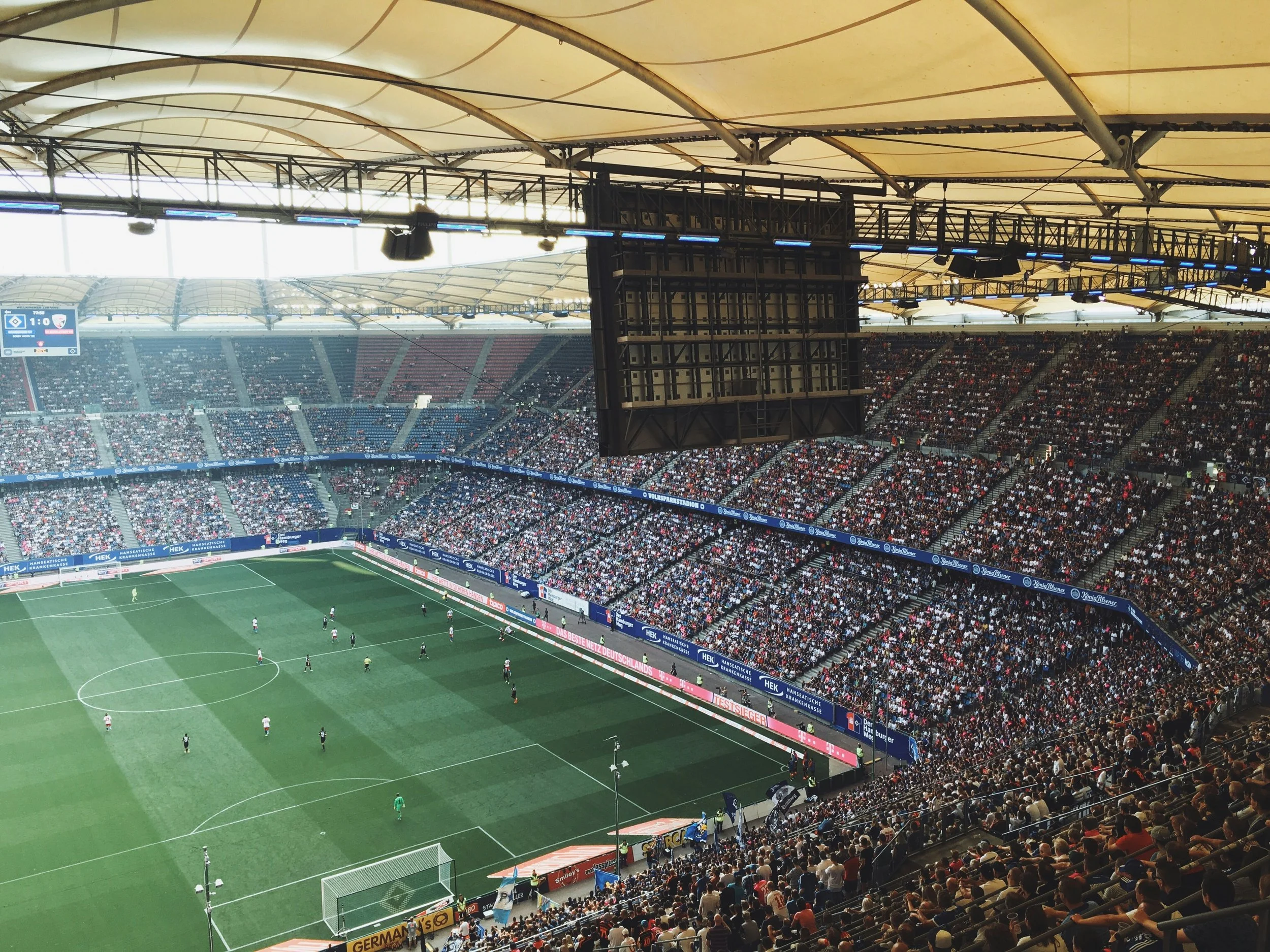
Four-time World Cup champions. One of the most decorated international programs in the sport and today, Germany was eliminated from the 2026 World Cup by Paraguay (a team they'd never lost to) in a penalty shootout that came down to a single missed kick.
What struck me most during the match wasn't the result. Upsets happen, especially in the World Cup. What struck me was the moment right before Jonathan Tah's penalty sailed over the bar and what that moment teaches us about how we actually perform under pressure, versus how we think we will.
The Setup Matters More Than the Skill
Tah is a professional, experienced defender. The technical skill required to strike a ball into a net from twelve yards is not in question. He's done it countless times during his career. What was different in that moment wasn't his ability; it was everything stacked behind it.
By the time he stepped up, Germany had already missed once. The shootout had gone to sudden death. Forty thousand fans in the stadium, hundreds of millions watching. A legacy as four-time champions resting on his left foot.
This is the part people miss when they talk about "mental toughness" as if it's a fixed trait some people have and others don't. The conditions of that moment would degrade almost anyone's execution. The question isn't whether pressure affects performance; it does, for everyone. The question is what you've built, in advance, to perform anyway.
Why Composure Under Pressure Is a Skill, Not a Personality Trait
There's a tendency to talk about clutch performers as if they're simply wired differently; like resilience is something you either have or don't. That's not how the research on performance psychology actually describes it.
What separates players who convert pressure penalties from players who don't is usually a specific, trainable set of capacities: the ability to narrow focus to the immediate task rather than the stakes surrounding it, a pre-performance routine that's been rehearsed enough to run on autopilot even when the nervous system is flooded, and the capacity to recover quickly from an early failure rather than carrying it forward.
Notice that none of those are about confidence in the abstract. They're about what you do with your attention and your body in the sixty seconds before the moment that matters.
The Mistake Isn't the Story — The Recovery Is
Here's something easy to forget watching a shootout: Germany actually came back in the penalty shootout from 3-1 down. Kimmich and Musiala both converted under exactly the same pressure that broke Havertz and Tah. Four different players faced the identical situation; two delivered, two didn't.
That's the real story. Not that pressure causes failure, clearly it doesn't, uniformly, since half the chosen penalty takers scored. The story is that some performers found a way to reset after watching a teammate miss, and others carried that miss into their own attempt.
This is, almost exactly, what separates people who recover from a professional setback from people who spiral after one. The setback itself rarely determines the outcome. What you do in the sixty seconds after it does.
What This Means Off the Field
I work with penalty takers. I also work with leaders, executives, and professionals, and everyday people who face their own version of this moment regularly; the high-stakes presentation, the difficult negotiation, the decision that has to be made under time pressure with everyone watching.
The pattern is identical. Some people perform well in those moments not because they don't feel the pressure, but because they've built the capacity to execute despite it. And just as critically, when something goes wrong in a high-stakes setting, whether it's a presentation that doesn't land or a decision that backfires, the people who recover quickly are the ones who've built the skill of resetting rather than spiraling. Otherwise moments like this penalty miss can haunt you for a long time and affect future performance.
That skill is buildable. It's not about being a "naturally calm" person; most high performers aren't. It's about developing specific capacities: how you focus your attention under stress, how you recover from a visible mistake in front of others, and how you separate the stakes of a moment from your ability to execute within it.
Getting Started
This is exactly the work I do with clients in high performance coaching; not generic confidence-building, but specific, structured work on how you actually function under pressure, and how you recover when things don't go as planned.
If you've got a high-stakes season coming up; a presentation, a leadership transition, a negotiation that matters, a free 15-minute consultation is a good place to start figuring out what that work would look like for you.