What Hypervigilance Looks Like When You’re Off Shift
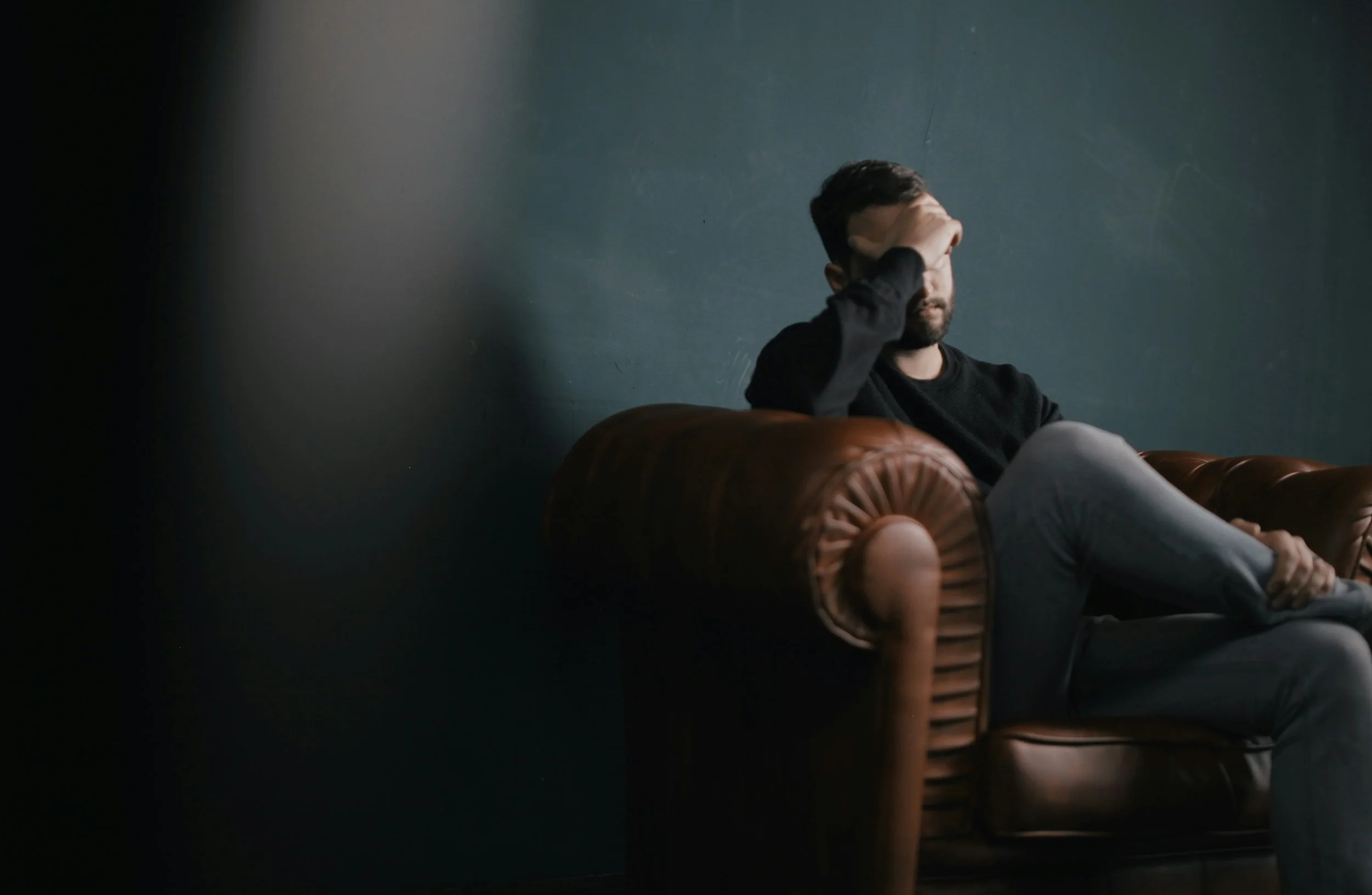
You clock out, drive home, walk in the door and some part of you never actually leaves the scene. Not in a dramatic way. In a quieter one: you sit with your back to the wall at dinner without thinking about it. You clock every exit in a room out of habit, not choice. A car backfires two streets over and your whole body responds before your brain catches up.
That's hypervigilance. And most first responders don't call it that, because it doesn't feel like a symptom. It feels like being good at your job.
Why It Doesn't Register as a Problem
On shift, hypervigilance is the thing keeping you and everyone around you safe. Scanning for threats, tracking exits, reading a room before you're fully in it — that's trained, and it's useful, and it works. The issue isn't that this response exists. It's that it's supposed to be a tool you pick up and put down, and for a lot of first responders, it stops coming off.
Because it's the same skill that makes you good at the job, it's easy to mistake the off-shift version for just being "still switched on"a minor inconvenience, not something worth mentioning. Most people don't bring it up until a partner points out that they haven't seen them fully relax in months, or until the exhaustion of never actually powering down starts to catch up.
What It Actually Looks Like Off Shift
Hypervigilance outside of work rarely looks like fear. It looks like:
- Sitting facing the door in every restaurant, without deciding to
- Waking up at the smallest sound, then staying awake scanning for what caused it
- Feeling irritated or on edge in crowded or unpredictable places — a concert, a busy store, a kid's birthday party
- Struggling to actually rest even on a day off, like your body doesn't believe it's allowed to
- A short fuse that doesn't match the size of what triggered it
- Difficulty being fully present with family, because part of your attention is always somewhere else, monitoring
None of this looks like the version of trauma most people picture. There's no single flashback moment. It's more like a baseline that's shifted and because it shifted slowly, over years of calls and shifts, it can be hard to remember what "off" used to feel like.
Why "Just Relax" Doesn't Work
Telling a hypervigilant nervous system to relax is a bit like telling a smoke detector to stop being so sensitive. The system isn't malfunctioning; it's doing exactly what years of real, repeated exposure to real danger trained it to do. It's not going to stand down because you asked nicely or took a weekend off.
This is also why generic stress-management advice tends to miss the mark for first responders. Breathing exercises and mindfulness apps are built for everyday stress, not for a nervous system that's been calibrated by actual life-and-death situations, over and over, for years. It's not the wrong tool because it's bad advice. It's the wrong tool because it's not built for this.
What Actually Helps
Working through hypervigilance isn't about becoming less alert or less capable; nobody's asking you to be worse at your job. It's about the nervous system relearning that off-shift and on-shift can actually be different states, instead of one continuous alert level that never resets.
That work tends to include:
- A therapist who understands the job — not in the abstract, but specifically: shift work, the culture, the kind of calls that don't leave when the shift ends.
- Nervous system regulation, not just talk — hypervigilance lives in the body as much as the mind, so approaches that address the physical response matter as much as the conversation.
- Confidentiality that's actually airtight — a real concern for anyone worried about fitness-for-duty implications or how this might be perceived at work. Individual, out-of-network therapy means this stays between you and your therapist.
- A practical, not clinical, tone — you don't need to be told you have PTSD to benefit from working through this. Most first responders who come in aren't looking for a diagnosis. They're looking for their off-shift life back.
If you've stopped remembering what fully relaxed feels like, that's not weakness and it's not something you're supposed to just push through. It's a nervous system doing its job too well for too long — and it's worth having somewhere to bring it.
Learn more about therapy for first responders in Lake Oswego
---
Miles Ahead Counseling & Coaching offers confidential, out-of-network therapy for first responders in Lake Oswego, OR, serving the greater Portland metro area, with virtual sessions available across Oregon. Schedule a free 15-minute consult to talk through what's actually going on.