What Memorial Day Can Bring Up And What To Do With It
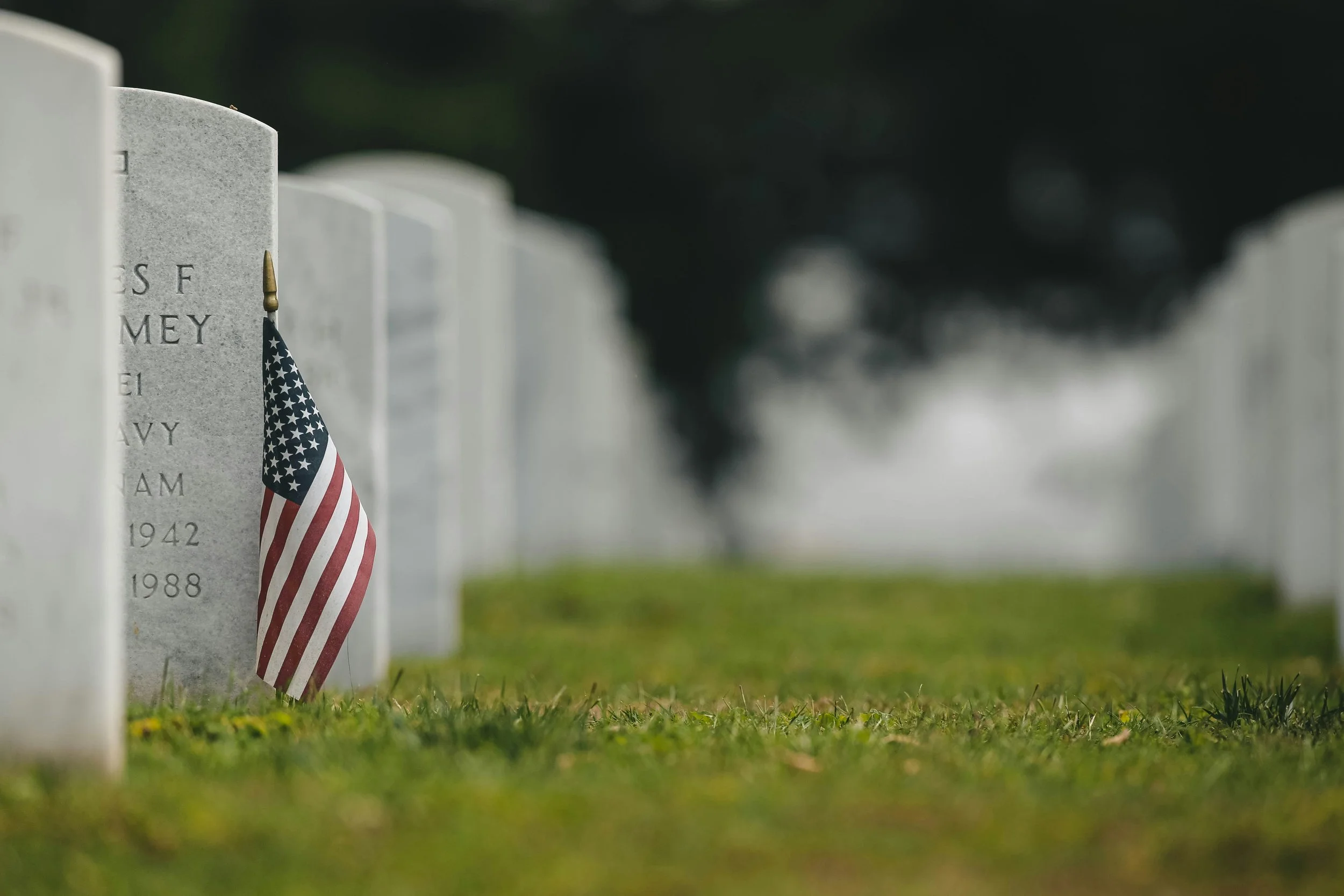
For a lot of people, Memorial Day is a long weekend; barbecues, sun, the unofficial start of summer.
For veterans, military families, and first responders, it can be something else entirely.
It can be the day the names come back. The faces, the calls you couldn't shake, the people who didn't make it home or didn't make it out of the job the same way they went in. The weight of survival when others didn't survive. The strangeness of being expected to celebrate when what you're actually feeling is something much harder to name.
If that's where you are this weekend, this is for you.
What Memorial Day Can Bring Up
Grief That Doesn't Follow a Schedule
Grief doesn't care about the calendar. But anniversaries, holidays, and collective moments of remembrance have a way of surfacing what's usually kept below the surface.
You might find yourself thinking about someone you lost, a fellow service member, a colleague, someone who didn't come home from a call. You might feel it in your chest before you've even figured out what it is. That's grief doing what grief does. It doesn't mean something is wrong with you. It means you cared.
Survivor's Guilt
Survivor's guilt is one of the most common and least talked about experiences among veterans and first responders. Why them and not me? What did I do or not do? How do I deserve to be at a barbecue right now when they're not here?
These questions don't have clean answers but carrying them alone, without ever saying them out loud, makes them heavier over time, not lighter.
Moral Injury
Some of what comes up on Memorial Day isn't grief exactly. It's the specific weight of things that happened in service that still don't sit right. Decisions made under impossible conditions. Things witnessed that couldn't be prevented. Orders followed or not followed that still replay.
Moral injury is different from PTS. It lives in the conscience rather than the nervous system and it tends to get louder during moments that ask you to reflect on service and sacrifice.
The Disconnect
There's a particular kind of loneliness in being surrounded by people who are genuinely enjoying the holiday while you're somewhere else entirely inside. The gap between what the day means publicly and what it means for you personally can feel isolating, even in a crowd.
You're not wrong for feeling it. You're also not required to perform a version of the day that doesn't match where you actually are.
What To Do With It
Name It
The first thing is the simplest and the hardest: acknowledge what's actually happening. Not to anyone else necessarily — just to yourself. I'm having a hard day. This holiday brings up grief for me. I'm thinking about people I've lost and it's heavy.
Naming it doesn't make it worse. It usually makes it slightly more manageable.
Give Yourself Permission to Step Back
You don't have to white-knuckle through a social event if you're not in a place to be present for it. Leaving early is okay. Stepping outside is okay. Saying you're not feeling great without explaining further is okay.
Taking care of yourself on a hard day isn't weakness. It's the same instinct that makes you good at your job.
Talk to Someone Who Gets It
Not everyone needs to understand what Memorial Day means for you. But having at least one person; a fellow veteran, a colleague, a partner who you've let in and who knows what the day actually carries for you makes a difference.
If you don't have that person, that's worth noticing. Isolation is one of the quietest and most consistent risk factors for the things that build up in this population over time.
Consider Whether It's Time to Talk to Someone
If Memorial Day hits you hard every year; if the grief, the guilt, the replays don't ease up much after the weekend, that's information. Not a crisis necessarily, but a signal worth paying attention to.
Therapy isn't for people who are falling apart. It's for people who are carrying something they don't have to carry alone, and who are ready to put it down or at least understand it better.
You Don't Have to Be in Crisis to Reach Out
Miles Ahead Counseling & Coaching works with veterans, first responders, and anyone navigating the specific weight that comes with a life in service. The approach is direct, evidence-based, and built around real change, not indefinite processing.
If something about this weekend is telling you it might be time, a free 15-minute consultation is a low-pressure place to start. No paperwork, no waitlist, no commitment. Just a conversation.
If you or someone you know is in crisis, the Veterans Crisis Line is available 24/7: call or text 988, then press 1.