Why the Time Change Hits First Responders Harder
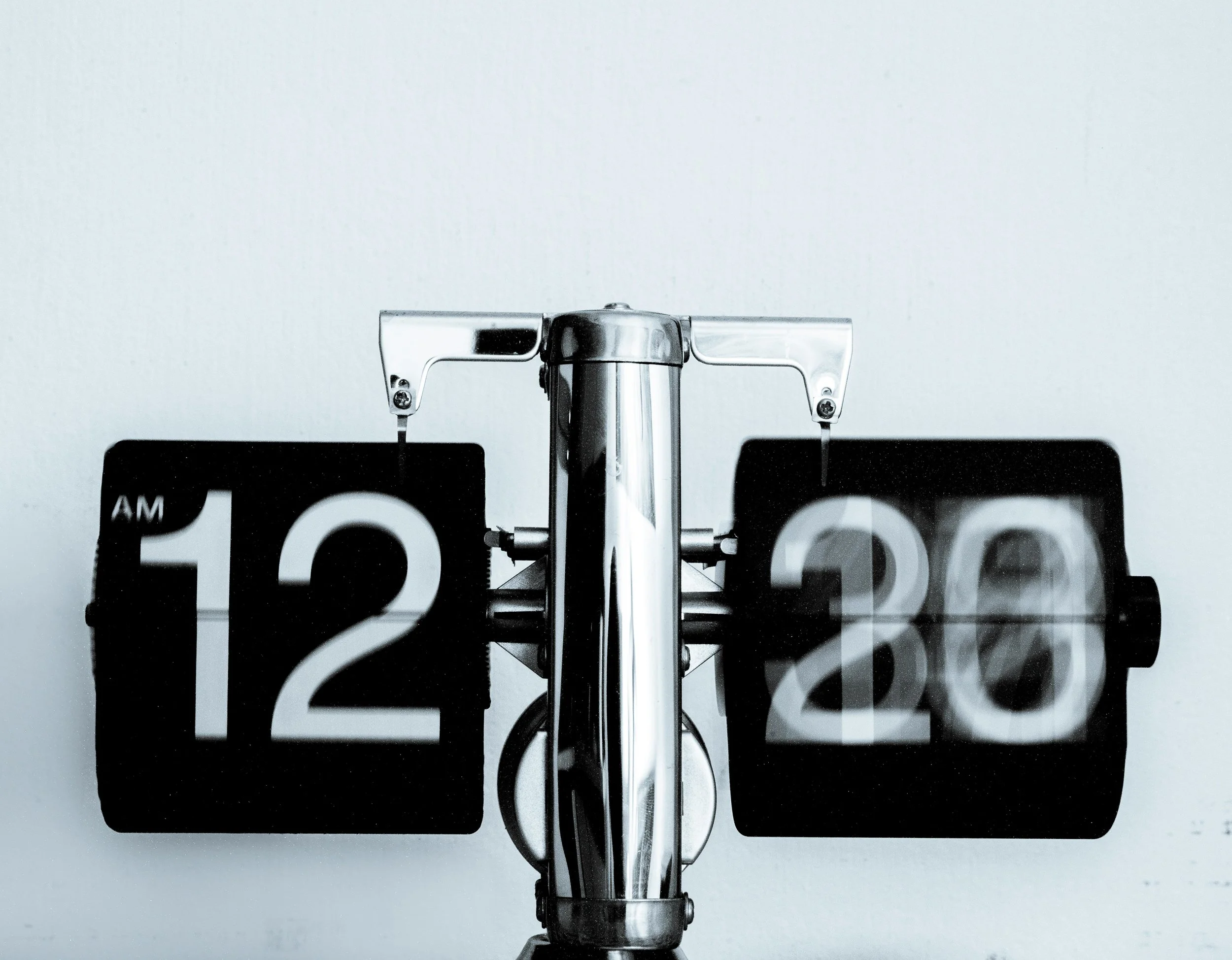
Daylight Saving Time ends November 1, and for most people that means a mildly annoying week of waking up in the dark and losing light earlier in the afternoon. For first responders, it tends to land differently, not as an inconvenience, but as one more disruption stacked on top of a system that was already working overtime to regulate itself.
That's not an exaggeration. It's how circadian rhythm actually works, and shift work already puts it under a kind of strain most people never have to manage.
Your Body Doesn't Run on a Schedule, It Runs on Light
Circadian rhythm is regulated largely by light exposure, not by the clock on the wall. Day shift, night shift, rotating shift; whatever the schedule, your internal clock is still trying to sync itself to a natural light-dark cycle it's rarely allowed to follow consistently. Most first responders have already adapted to that disruption as best they can, often without realizing how much ongoing effort it takes to maintain.
The time change doesn't just shift the clock. It shifts the actual light available at a given hour, which means the body has to recalibrate right as it's already managing an irregular schedule. For someone with a stable 9-to-5 and a normal sleep window, that recalibration is a few groggy mornings. For someone whose rhythm is already strained from rotating shifts, overnight calls, and sleep that gets interrupted by nature of the job, it's a harder reset on a system with less margin to begin with.
Why This Shows Up as More Than Just Tiredness
The symptoms don't always look like "I'm sleepy." For a lot of first responders, the weeks around the time change show up as:
- A shorter fuse than usual, even on calls or days that aren't objectively worse
- Mood that feels flatter or heavier without an obvious reason
- Sleep that was already inconsistent becoming harder to predict at all
- Increased irritability with family during the exact hours you're trying to decompress
- A general sense of being "off" that's hard to pin to anything specific
None of this is a personal failing or a sign you're handling the job worse than usual. It's a predictable physiological response to losing light at the exact time your system has the least flexibility to absorb the change.
Why Generic Advice Doesn't Quite Fit
The standard advice for the time change; get morning sunlight, keep a consistent sleep schedule, avoid screens before bed, assumes a baseline of schedule consistency that shift work doesn't allow. You can't always get morning sunlight when "morning" might be 7pm. You can't keep a fully consistent sleep schedule when the job doesn't run on one. The advice isn't wrong. It's just built for a version of daily life that doesn't match the one you're actually living.
This is the same gap that shows up with a lot of general wellness advice aimed at first responders, not bad information, just calibrated for a nervous system and schedule that look nothing like the job actually requires.
What Actually Helps
Working through this seasonal strain usually means addressing the specific mechanics of your schedule, not applying generic sleep hygiene tips and hoping they land:
- Looking at your actual light exposure patterns: given your real shift schedule, rather than generic "get sunlight" advice that assumes a daytime schedule
- Treating sleep disruption as cumulative: not resetting to zero each time you get one good night
- Separating time-change irritability from the job itself: so a rough few weeks doesn't get misread as burnout or a sign something bigger is wrong
- Building in deliberate recovery: especially during the weeks the body is actively recalibrating, instead of pushing through on the assumption it'll sort itself out
If the next few weeks feel heavier than they should, that's worth paying attention to rather than writing off as everyone's November. The system you're running on is already doing more work than most people's, the time change is just one more thing asking it to adjust.
Learn more about confidential therapy for first responders in Lake Oswego here
Miles Ahead Counseling & Coaching offers confidential, out-of-network therapy for first responders in Lake Oswego, OR, serving the greater Portland metro area, with virtual sessions available across Oregon.